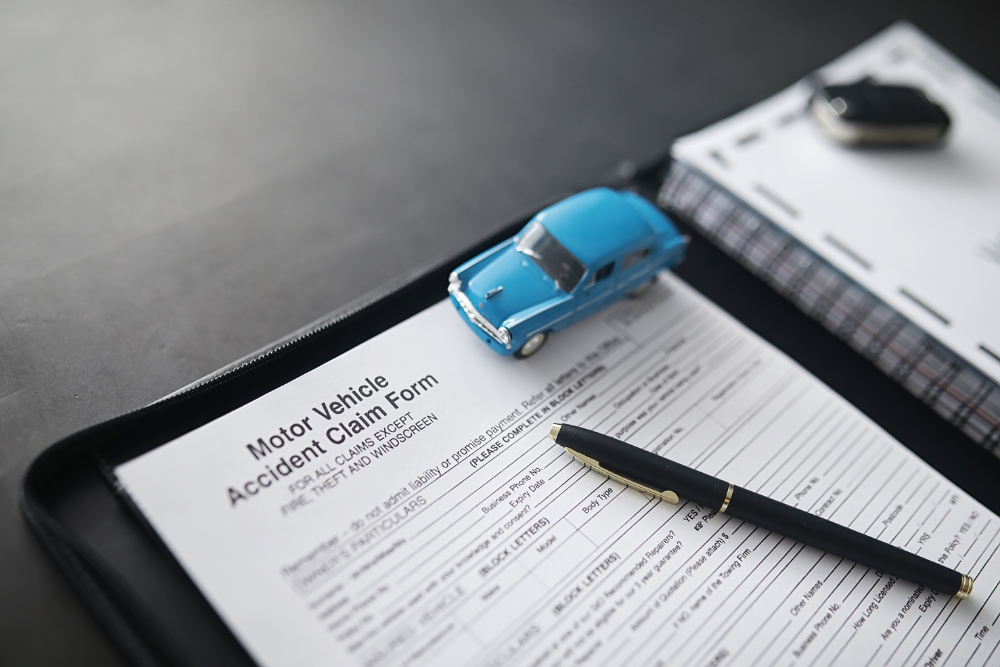

When buying car insurance, one of the biggest decisions is choosing between minimum coverage and full coverage. While minimum coverage helps you meet your state’s legal requirements, full coverage offers broader financial protection for your vehicle and yourself.
The right choice depends on your vehicle, budget, and personal needs. Understanding the differences can help you choose the coverage that provides the best value and peace of mind.
What Is Minimum Coverage?
Minimum coverage is the basic amount of car insurance required by your state. In most states, this includes liability insurance, which helps pay for injuries or property damage you cause to others in an accident.
Minimum coverage is designed to meet legal requirements, but it may not cover damage to your own vehicle.
What Is Full Coverage?
Full coverage is not a specific type of insurance. It usually refers to a policy that combines several types of coverage for greater protection.
A full coverage policy often includes:
- Liability Coverage
- Collision Coverage
- Comprehensive Coverage
Some drivers also choose to add optional coverage, such as Uninsured Motorist Coverage or Personal Injury Protection (PIP), depending on their needs and state requirements.
Benefits of Minimum Coverage
Minimum coverage is often the most affordable option for drivers who want to meet legal insurance requirements.
Advantages include:
- Lower monthly premiums
- Meets state insurance laws
- Simple and affordable coverage
- Good for older vehicles with low market value
However, lower premiums also mean less financial protection after an accident.
Benefits of Full Coverage
Full coverage provides broader protection and may help pay for repairs to your own vehicle after many types of accidents.
Benefits include:
- Covers collision damage
- Helps pay for non collision damage
- Better financial protection
- Greater peace of mind
- Often required for financed or leased vehicles
Although it costs more than minimum coverage, it offers more complete protection.
What Does Full Coverage Protect Against?
Depending on your policy, full coverage may help pay for damage caused by:
- Vehicle collisions
- Theft
- Fire
- Vandalism
- Falling objects
- Severe weather
- Animal collisions
Coverage details vary by insurance company and policy.
When Minimum Coverage May Be Enough
Minimum coverage may be a reasonable choice if:
- Your vehicle has a low market value.
- You own your vehicle outright.
- You have a limited insurance budget.
- You can afford repair or replacement costs yourself.
Even so, it is important to understand the financial risks before choosing only minimum coverage.
When Full Coverage Is a Better Choice
Full coverage is often recommended if:
- You own a newer vehicle.
- Your car has a higher value.
- Your vehicle is financed or leased.
- You rely on your vehicle every day.
- You want greater financial protection.
Many lenders require full coverage until the vehicle loan has been fully paid.
Compare the Costs
Full coverage usually has a higher monthly premium because it provides more protection.
However, paying a little more each month could save you thousands of dollars if your vehicle is seriously damaged or stolen.
Compare both the monthly cost and the level of protection before making your decision.
Review Your Insurance Needs Regularly
Your insurance needs can change over time.
You should review your coverage if you:
- Buy a new vehicle.
- Pay off your car loan.
- Move to a new area.
- Change your driving habits.
- Experience major life changes.
Reviewing your policy each year helps ensure you have the right level of protection.
Final Thoughts
Choosing between full coverage and minimum coverage depends on your personal situation. Minimum coverage is usually the most affordable option and meets your state’s legal requirements, while full coverage provides greater financial protection for your vehicle and unexpected events.
Before making a decision, consider your vehicle’s value, your budget, and the amount of risk you are comfortable taking. Comparing your options carefully can help you choose the car insurance policy that best fits your needs and gives you confidence every time you drive.