
A long distance road trip can be an exciting way to explore new places, visit family, or enjoy a vacation. However, spending hours on the road also comes with responsibilities. Proper planning can help you stay safe, avoid unnecessary stress, and make your journey more enjoyable.
Whether you are traveling across your state or driving across the country, these simple tips can help you prepare for a smooth and safe road trip.
Plan Your Route Before You Leave
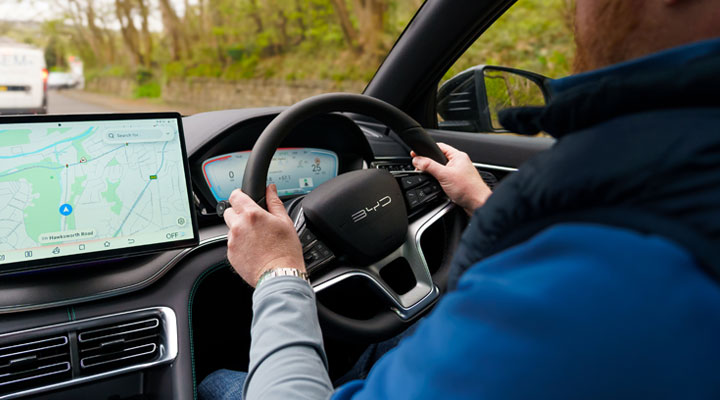
Before starting your trip, take some time to plan your route. Knowing where you are going helps reduce stress and allows you to prepare for rest stops, fuel stations, and possible traffic delays.
Using a GPS app or navigation system can also help you find alternate routes if you encounter road closures or heavy traffic.
Check Your Vehicle
A quick vehicle inspection before leaving can prevent unexpected problems during your trip.
Make sure to check:
- Tire pressure and tread
- Engine oil level
- Brake condition
- Coolant level
- Windshield washer fluid
- Headlights and brake lights
- Battery condition
If your vehicle is due for maintenance, have it serviced before your trip.
Review Your Car Insurance
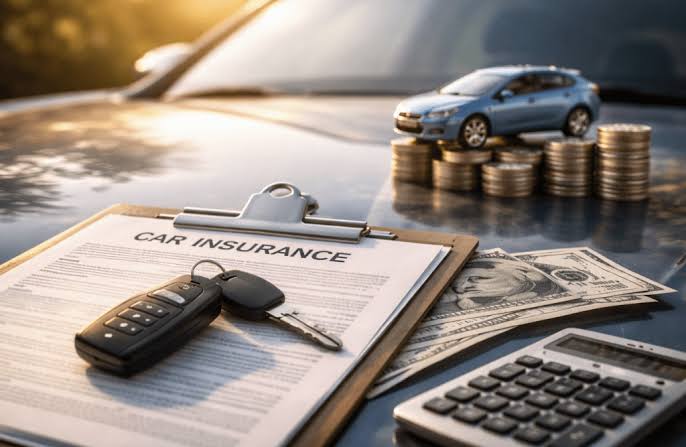
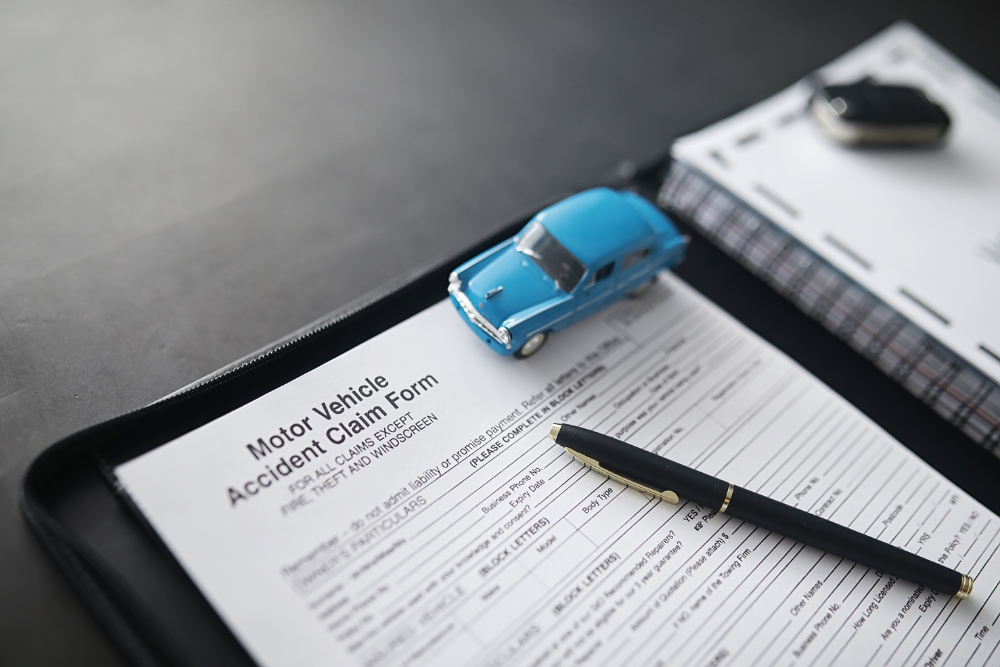
Before heading out, make sure your car insurance policy is active and provides the coverage you need.
It is helpful to carry:
- Your insurance card
- Vehicle registration
- Driver’s license
- Emergency contact information
Knowing what your insurance covers can give you added confidence while traveling.
Pack an Emergency Kit
Unexpected situations can happen on any road trip.
Your emergency kit should include:
- First aid supplies
- Flashlight
- Phone charger
- Jumper cables
- Bottled water
- Basic tools
- Tire pressure gauge
- Emergency blanket
Having these items available can make a big difference if you experience a breakdown or delay.
Get Enough Rest Before Driving
Driving while tired can be just as dangerous as distracted driving.
Make sure you get enough sleep before your trip and avoid driving when you feel exhausted. If you become tired during your journey, stop at a safe location and take a break before continuing.
Take Regular Breaks
Sitting behind the wheel for several hours can reduce your focus.
Plan to stop every few hours to:
- Stretch your legs
- Use the restroom
- Eat a healthy snack
- Drink water
- Rest your eyes
Short breaks can help you stay alert throughout your trip.
Follow Speed Limits
Speed limits are designed to keep drivers safe.
Driving at a safe speed gives you more time to react to traffic, road hazards, and changing weather conditions. It can also improve fuel efficiency and reduce the risk of accidents.
Avoid Distracted Driving
Keep your attention on the road at all times.
Avoid:
- Texting while driving
- Using your phone without hands free features
- Eating while driving
- Adjusting your GPS while moving
If you need to make a call or change your route, pull over safely before doing so.
Watch the Weather
Weather conditions can change quickly during a long trip.
Before leaving and throughout your journey, check the forecast for the areas you will be traveling through.
If you encounter heavy rain, snow, fog, or strong winds, slow down and drive carefully. If conditions become dangerous, wait until it is safe to continue.
Keep Your Fuel Tank Filled
Do not wait until your fuel tank is nearly empty.
When traveling through unfamiliar areas, fuel stations may be far apart. Filling your tank before it gets too low can help prevent unnecessary stress and delays.
Bring Snacks and Water
Healthy snacks and plenty of water help you stay energized during long drives.
Choose foods that are easy to eat during breaks and avoid heavy meals that may make you feel sleepy.
Staying hydrated also helps you remain focused behind the wheel.
Drive Defensively
Always stay aware of other drivers and be prepared for unexpected situations.
Maintain a safe following distance, use your turn signals, and avoid aggressive driving. Defensive driving reduces the risk of accidents and helps create a safer trip for everyone on the road.
Final Thoughts
A successful long distance road trip starts with good preparation. Checking your vehicle, reviewing your insurance, planning your route, and driving safely can help you avoid common problems and enjoy your journey with confidence.
By following these simple road trip tips, you can stay safe, protect your vehicle, and make the most of every mile on the road.