When choosing a car insurance policy, two of the most common types of coverage are Collision Coverage and Comprehensive Coverage. Although they are often included together in a full coverage policy, they protect your vehicle in different situations.
Understanding the difference between these coverages can help you choose the right insurance for your vehicle and avoid unexpected expenses after an accident.
What Is Collision Coverage?
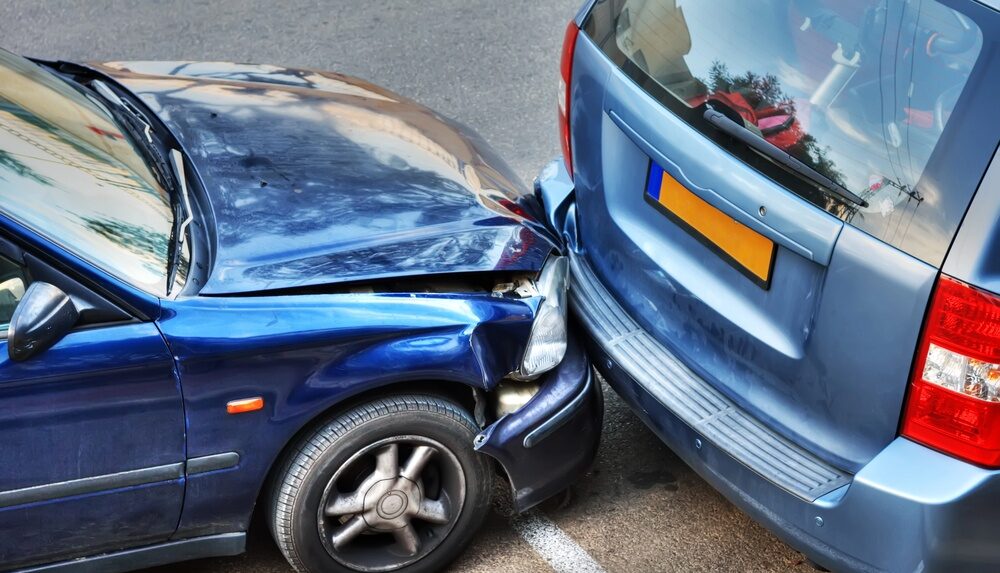
Collision Coverage helps pay for repairs to your vehicle if it is damaged in a collision with another vehicle or an object, regardless of who caused the accident.
This coverage may help pay for damage caused by:
- A collision with another vehicle
- Hitting a tree or fence
- Striking a guardrail
- Rolling your vehicle
- A single vehicle accident
You will usually need to pay your deductible before your insurance company covers the remaining repair costs, up to your policy limits.
What Is Comprehensive Coverage?
Comprehensive Coverage helps protect your vehicle from damage that is not caused by a collision.
It may cover damage resulting from:
- Theft
- Fire
- Vandalism
- Hail
- Floods
- Falling trees or branches
- Windstorms
- Animal collisions
This type of coverage is designed to protect your vehicle from many unexpected events beyond your control.
Key Differences Between Collision and Comprehensive Coverage
Although both cover damage to your vehicle, they apply in different situations.
Collision Coverage protects your vehicle after an accident involving another vehicle or object.
Comprehensive Coverage protects your vehicle from non collision events such as theft, weather damage, vandalism, or fire.
Many drivers choose both types of coverage for more complete protection.
Do You Need Both Coverages?
The answer depends on your vehicle and your financial situation.
You may benefit from both Collision and Comprehensive Coverage if:
- Your vehicle is newer.
- Your vehicle has a higher value.
- You rely on your vehicle every day.
- Your car is financed or leased.
Many lenders require both coverages until the vehicle loan is paid in full.
When Might Minimum Coverage Be Enough?
If you own an older vehicle with a low market value, you may decide that Collision and Comprehensive Coverage are no longer necessary.
Before removing either coverage, consider whether you could afford to repair or replace your vehicle if it were damaged or stolen.
How Deductibles Work
Both Collision and Comprehensive Coverage usually include a deductible.
Your deductible is the amount you pay before your insurance company contributes toward a covered claim.
Choosing a higher deductible may lower your monthly premium, while a lower deductible generally results in a higher premium.
Select a deductible that fits your budget and financial situation.
What Is Not Covered?
Even with Collision and Comprehensive Coverage, some situations may not be covered.
Depending on your policy, these coverages generally do not pay for:
- Normal vehicle maintenance
- Mechanical breakdowns
- Wear and tear
- Damage that exceeds your policy limits
- Expenses excluded by your policy
Always review your insurance policy to understand your specific coverage and exclusions.
Compare Coverage Before Choosing a Policy
Before purchasing car insurance, compare different policies carefully.
Look at:
- Coverage options
- Deductibles
- Policy limits
- Monthly premiums
- Available discounts
- Claims support
Comparing policies helps you find the best balance between protection and affordability.
Review Your Coverage Regularly
Your insurance needs may change over time.
If you buy a new vehicle, pay off your loan, or your vehicle’s value changes, review your policy to determine whether your current coverage still meets your needs.
Regular policy reviews can help ensure you are not paying for unnecessary coverage while maintaining the protection you need.
Final Thoughts
Collision Coverage and Comprehensive Coverage both protect your vehicle, but they cover different types of damage. Collision Coverage helps pay for damage caused by accidents involving another vehicle or object, while Comprehensive Coverage protects against theft, weather, fire, vandalism, and other non collision events.
Understanding how these coverages work can help you choose the right insurance policy for your vehicle, your budget, and your lifestyle. Taking time to review your options today can provide valuable financial protection for the future.