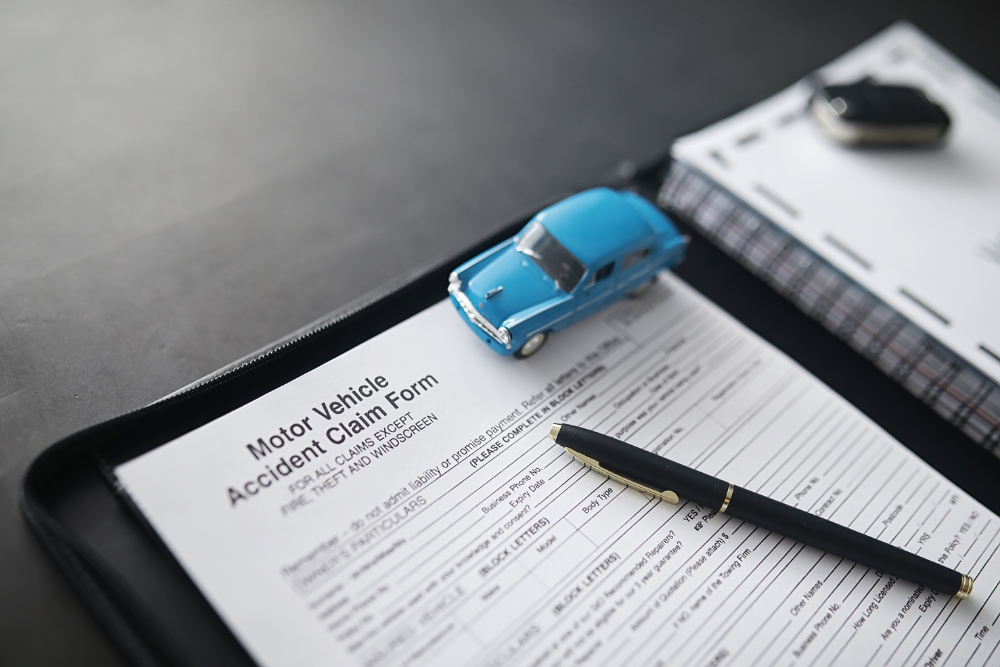
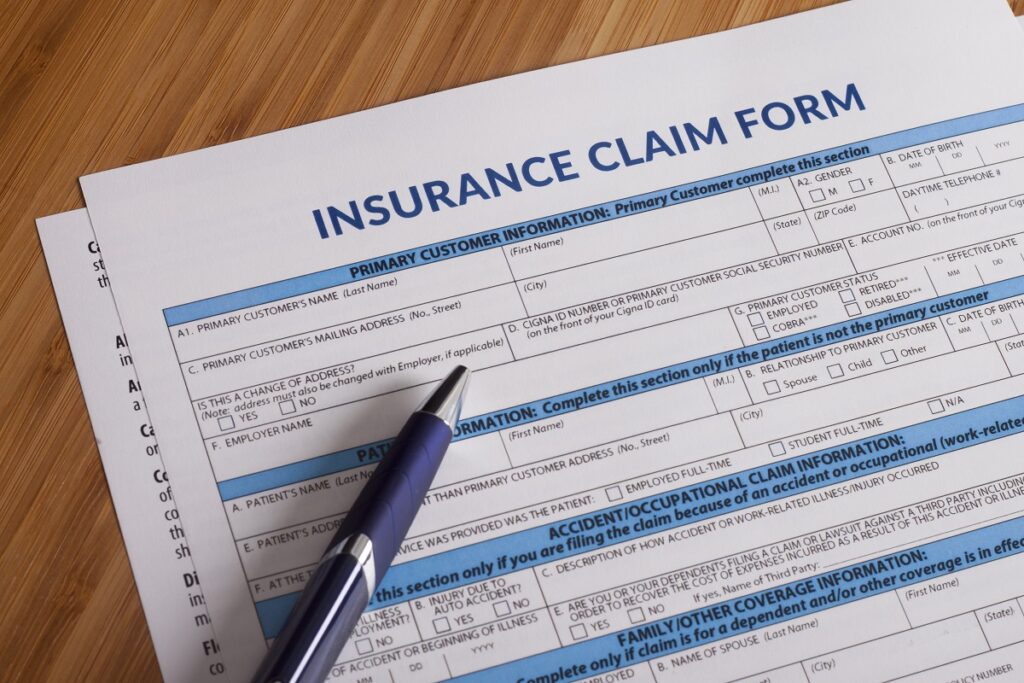
Being involved in a car accident can be stressful, but knowing how to file a car insurance claim can make the process much easier. Taking the right steps after an accident helps your insurance company review your claim quickly and may reduce delays in getting your vehicle repaired.
Whether the accident is minor or serious, understanding the claims process can help you stay prepared and protect your rights.
Make Sure Everyone Is Safe
Your safety should always come first.
If possible, move your vehicle to a safe location and check whether anyone has been injured. If there are injuries or significant damage, contact emergency services immediately.
Avoid putting yourself or others in danger while waiting for help.
Call the Police if Necessary
Depending on the accident and your state’s laws, you may need to contact the police.
A police report can provide important information about the accident and may be helpful when filing your insurance claim.
If an officer responds to the scene, ask how you can obtain a copy of the report.
Gather Important Information
Collect as much information as possible before leaving the accident scene.
Be sure to gather:
- Driver names and contact information
- Insurance details
- Vehicle information
- License plate numbers
- Photos of the vehicles and damage
- Photos of the accident scene
- Contact information for any witnesses
Accurate information helps support your claim.
Notify Your Insurance Company
Report the accident to your insurance company as soon as possible.
When filing your claim, be prepared to provide:
- The date and time of the accident
- The location
- A description of what happened
- Photos and documents
- Police report details, if available
Providing complete information can help speed up the claims process.
Work With the Claims Adjuster
After your claim is submitted, your insurance company will assign a claims adjuster to review the accident.
The adjuster may:
- Review your policy
- Inspect your vehicle
- Request additional information
- Speak with the drivers involved
- Estimate repair costs
Respond promptly to any requests to help keep your claim moving forward.
Get a Vehicle Inspection
Your insurance company may ask you to take your vehicle to an approved repair shop or schedule an inspection.
The inspection helps determine:
- The extent of the damage
- Estimated repair costs
- Whether the vehicle can be repaired or is considered a total loss
Do not begin repairs until your insurance company provides instructions, unless they tell you otherwise.
Keep All Documents
Save copies of everything related to your claim.
Important documents include:
- Repair estimates
- Medical bills, if applicable
- Police report
- Claim number
- Photos
- Emails and letters from your insurance company
Keeping organized records can be helpful if questions arise later.
Stay in Contact With Your Insurance Company
Throughout the claims process, stay in touch with your insurance representative.
If additional documents or information are requested, provide them as soon as possible. Regular communication can help prevent unnecessary delays.
If you have questions about your claim, do not hesitate to ask for an update.
Understand Your Coverage
Before filing a claim, it is helpful to understand what your insurance policy covers.
Review details such as:
- Coverage limits
- Deductible amount
- Types of covered damage
- Policy exclusions
Knowing your coverage can help you understand what expenses may be paid by your insurance company.
Final Thoughts
Filing a car insurance claim does not have to be complicated. By staying calm, gathering the right information, reporting the accident quickly, and working closely with your insurance company, you can help make the claims process smoother and more efficient.
Being prepared before an accident happens is one of the best ways to protect yourself. Understanding how the claims process works can give you confidence and help you get back on the road as quickly as possible.