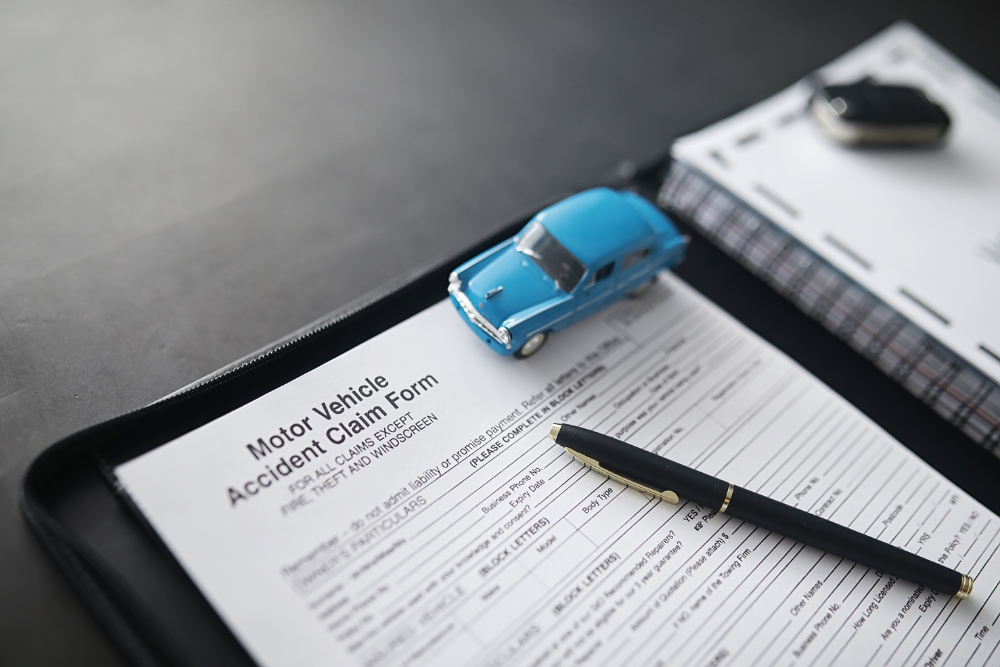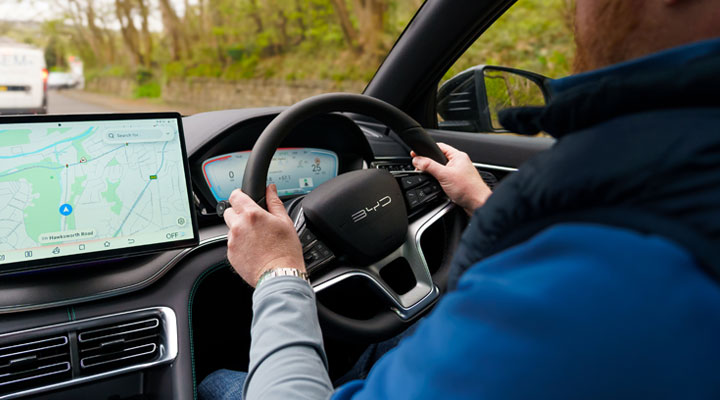

Road accidents can happen at any time, but many of them are preventable. By following safe driving practices and staying alert behind the wheel, you can greatly reduce your chances of being involved in a collision.
Whether you drive every day or only occasionally, developing good driving habits can help protect you, your passengers, and everyone else on the road.
Stay Focused While Driving
Distracted driving is one of the leading causes of road accidents.
Keep your attention on the road by avoiding:
- Texting or using your phone
- Eating while driving
- Adjusting the navigation system
- Reaching for items inside the vehicle
Staying focused allows you to react quickly to changing road conditions.
Obey Speed Limits
Driving above the speed limit reduces your reaction time and increases the risk of serious accidents.
Always follow posted speed limits and adjust your speed when driving in heavy traffic, rain, fog, or other challenging conditions.
Driving at a safe speed helps you maintain better control of your vehicle.
Keep a Safe Following Distance
Following another vehicle too closely leaves little time to stop if traffic suddenly slows down.
Leave enough space between your vehicle and the one ahead so you have time to react safely. Increase this distance during bad weather or when driving at higher speeds.
Use Turn Signals
Always signal before turning or changing lanes.
Using your turn signals gives other drivers enough warning about your next move and helps prevent misunderstandings that could lead to accidents.
Check Your Blind Spots
Mirrors do not show everything around your vehicle.
Before changing lanes or merging into traffic, always check your blind spots by looking over your shoulder. This simple habit can help prevent side impact collisions.
Avoid Driving While Tired
Fatigue affects your ability to concentrate and react quickly.
If you feel sleepy while driving:
- Pull over in a safe place.
- Take a short break.
- Switch drivers if possible.
- Continue only when you are fully alert.
Driving while tired can be just as dangerous as distracted driving.
Adjust to Weather Conditions
Rain, snow, fog, and strong winds can make driving more dangerous.
When weather conditions are poor:
- Slow down.
- Turn on your headlights when needed.
- Increase your following distance.
- Avoid sudden braking.
- Stay alert for slippery roads.
Driving carefully during bad weather helps reduce the risk of accidents.
Keep Your Vehicle Well Maintained
A well maintained vehicle is safer to drive.
Regularly inspect:
- Tires
- Brakes
- Headlights
- Windshield wipers
- Battery
- Fluid levels
Routine maintenance helps prevent mechanical problems that could lead to accidents.
Watch for Other Drivers
Even if you drive safely, other drivers may make mistakes.
Stay alert for drivers who:
- Speed
- Tailgate
- Change lanes without signaling
- Run red lights
- Drive aggressively
Expecting the unexpected helps you react more safely.
Never Drive Under the Influence
Alcohol, illegal drugs, and certain medications can affect your judgment, reaction time, and ability to drive safely.
If you have consumed alcohol or any substance that may impair your driving, arrange for another way to get home.
Driving under the influence puts everyone on the road at risk.
Final Thoughts
Avoiding common road accidents starts with safe driving habits. Staying focused, following traffic laws, maintaining your vehicle, and adjusting to changing road conditions can significantly reduce your risk of a collision.
Every trip is an opportunity to make safe choices behind the wheel. By practicing responsible driving every day, you can help protect yourself, your passengers, and others while enjoying safer and more confident journeys.