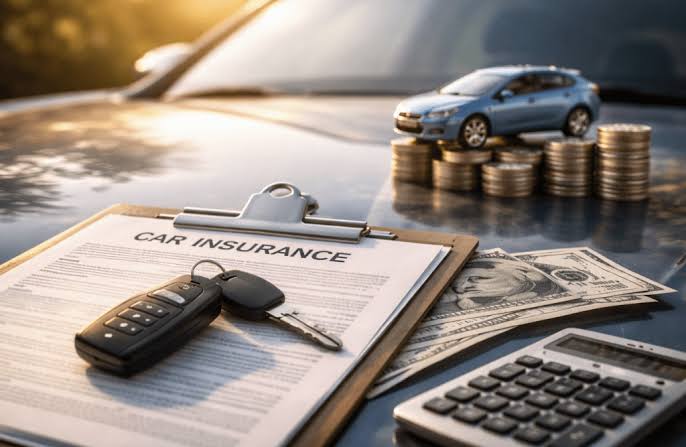

Inflation affects many everyday expenses, including groceries, fuel, housing, and car insurance. If you have noticed your insurance premium increasing even though your driving record has not changed, inflation could be one of the reasons.
Understanding how inflation affects car insurance rates can help you better understand your policy and make informed decisions when comparing coverage options.
What Is Inflation?
Inflation is the gradual increase in the cost of goods and services over time. As prices rise, businesses also face higher operating costs.
For insurance companies, inflation can increase the cost of repairing vehicles, replacing parts, paying medical expenses, and processing claims. These higher costs may lead to increased insurance premiums.
Higher Vehicle Repair Costs
Modern vehicles are equipped with advanced technology such as sensors, cameras, and safety systems. While these features improve safety, they also make repairs more expensive.
As the cost of vehicle parts and labor increases, insurance companies often pay more to settle claims. These higher claim costs can affect insurance rates.
Rising Cost of Auto Parts
Replacement parts have become more expensive due to higher manufacturing and transportation costs.
If your vehicle needs repairs after an accident, the insurance company may have to pay significantly more than it would have in previous years. This increase in repair costs is one factor that can lead to higher premiums.
Increased Labor Costs
Repair shops also face higher operating expenses, including employee wages, equipment, and facility costs.
As labor costs increase, the total cost of repairing damaged vehicles also rises. Insurance companies consider these expenses when calculating premiums.
Higher Medical Expenses
If an accident results in injuries, insurance companies may be responsible for paying medical costs, depending on the coverage involved.
As healthcare costs continue to rise, insurance claims involving medical treatment become more expensive, which can contribute to higher insurance rates.
More Expensive Vehicle Replacements
The cost of purchasing new and used vehicles has increased in recent years.
When a vehicle is declared a total loss after an accident, insurance companies may need to pay more to replace it. Higher vehicle values can increase overall claim costs and affect insurance premiums.
More Severe Weather Events
Severe weather such as hurricanes, floods, hailstorms, and wildfires has led to an increase in vehicle damage claims in many areas.
As insurance companies pay more weather related claims, these costs may influence insurance rates for drivers in affected regions.
How Drivers Can Reduce Insurance Costs
Although inflation cannot be controlled, there are several ways to help reduce your insurance expenses.
You can:
- Compare insurance quotes regularly.
- Ask about available discounts.
- Bundle multiple insurance policies.
- Maintain a clean driving record.
- Choose a deductible that fits your budget.
- Review your coverage each year.
Taking these steps may help offset rising insurance costs.
Review Your Policy Regularly
Inflation can change the value of your vehicle and the cost of repairs.
Reviewing your insurance policy each year helps ensure your coverage still meets your needs while allowing you to explore new discounts or better pricing from other insurance providers.
A regular review can help you avoid paying for unnecessary coverage while maintaining proper protection.
Don’t Cancel Important Coverage
If your premium increases, it may be tempting to reduce your coverage to save money.
However, removing important protection could leave you responsible for significant expenses after an accident. Instead of reducing coverage immediately, compare quotes and ask your insurance provider about available savings.
Finding the right balance between affordability and protection is often the better long term choice.
Final Thoughts
Inflation affects many parts of the car insurance industry, including repair costs, vehicle prices, replacement parts, labor, and medical expenses. As these costs increase, insurance premiums may also rise, even for drivers with excellent driving records.
While you cannot control inflation, you can manage your insurance costs by comparing quotes, reviewing your policy regularly, and taking advantage of available discounts. Staying informed about these factors can help you make smarter insurance decisions and keep your coverage both affordable and reliable.