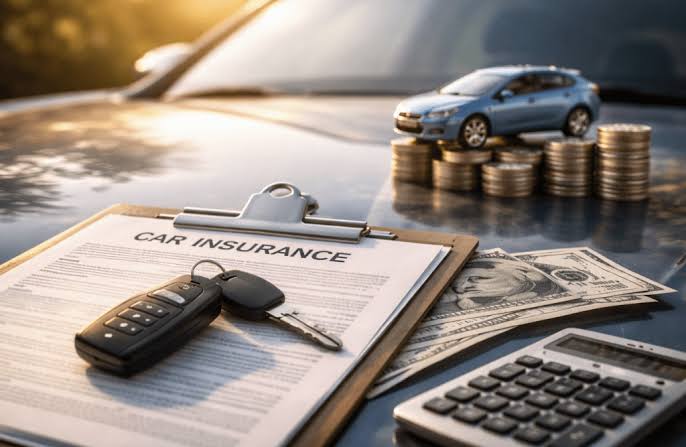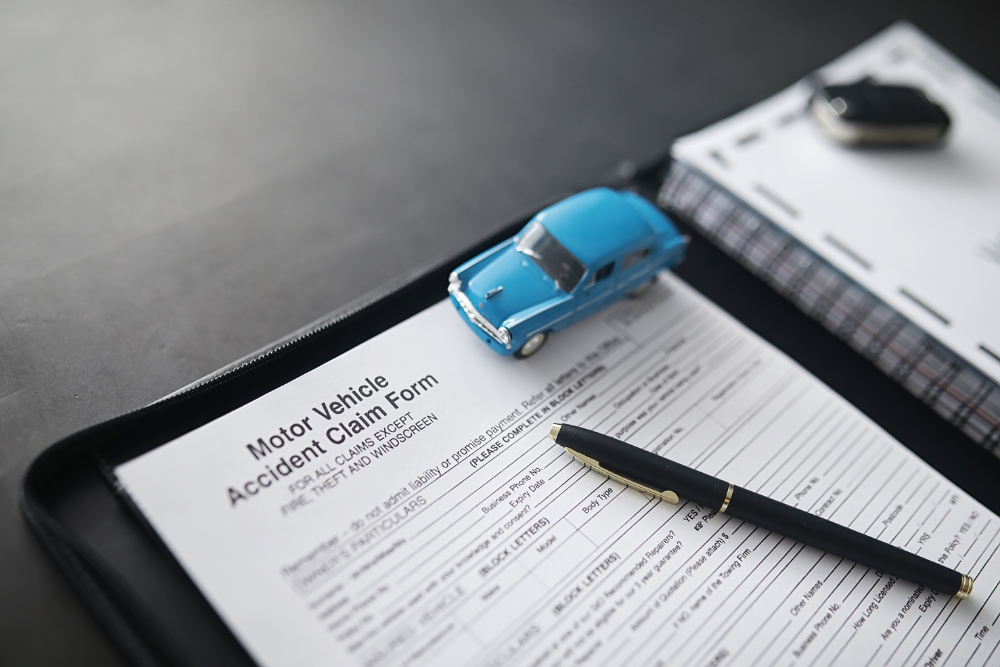

Comparing car insurance quotes is one of the best ways to find the right coverage at a fair price. Many drivers choose the cheapest option without looking at what the policy actually includes. While saving money is important, the lowest price is not always the best value.
By comparing quotes carefully, you can find a policy that offers reliable protection, good customer service, and affordable premiums.
Compare the Same Coverage
When comparing insurance quotes, make sure each quote includes the same types of coverage and coverage limits.
For example, compare policies with the same:
- Liability Coverage
- Collision Coverage
- Comprehensive Coverage
- Deductibles
- Coverage limits
Comparing different coverage levels may lead to inaccurate price comparisons.
Look Beyond the Price
A lower premium may seem attractive, but it does not always provide the protection you need.
Also compare:
- Coverage options
- Policy limits
- Deductibles
- Available discounts
- Claims process
- Customer support
Choosing a policy based only on price could leave you with unexpected costs after an accident.
Understand Your Deductible
The deductible is the amount you pay before your insurance company covers a claim.
Policies with higher deductibles usually have lower monthly premiums, while lower deductibles often mean higher monthly payments.
Choose a deductible that fits your budget and that you could comfortably pay if you need to file a claim.
Review the Coverage Limits
Every insurance policy has maximum payout limits.
While minimum state requirements may cost less, they may not provide enough financial protection after a serious accident.
Consider whether higher coverage limits would better protect your vehicle, savings, and future financial security.
Ask About Available Discounts
Insurance companies offer different discounts, so always ask what savings are available.
Common discounts include:
- Safe driver discounts
- Multi vehicle discounts
- Multi policy discounts
- Good student discounts
- Low mileage discounts
- Automatic payment discounts
- Paperless billing discounts
Applying multiple discounts may significantly reduce your premium.
Check the Insurance Company’s Reputation
Good customer service is just as important as a competitive price.
Before choosing an insurance company, research its reputation by looking at customer reviews and claims satisfaction. A company that handles claims quickly and fairly can make a stressful situation much easier.
Compare More Than One Quote
Do not stop after receiving one or two quotes.
Getting quotes from several insurance providers gives you a better understanding of available pricing and coverage options. Spending a little extra time comparing can lead to better value in the long run.
Read the Policy Details Carefully
Always read the policy before making your final decision.
Pay attention to:
- Coverage exclusions
- Policy conditions
- Claim procedures
- Payment options
- Renewal terms
Understanding the details helps prevent surprises later.
Review Your Insurance Needs
Your insurance needs may change over time.
Before comparing quotes, consider:
- The age of your vehicle
- How often you drive
- Your driving history
- Your budget
- Any recent life changes
Choosing coverage based on your current needs helps ensure you are not paying for protection you do not need.
Review Quotes Every Year
Car insurance prices can change from year to year.
Comparing quotes annually helps ensure you continue receiving competitive pricing and appropriate coverage. Even if you are happy with your current provider, checking other options can help you find additional savings.
Final Thoughts
Comparing car insurance quotes the smart way means looking beyond the monthly premium. By reviewing coverage options, deductibles, policy limits, discounts, and the insurance company’s reputation, you can make a more informed decision.
Taking the time to compare multiple quotes can help you find reliable coverage that fits both your needs and your budget. A little research today can provide better protection and greater peace of mind every time you drive.