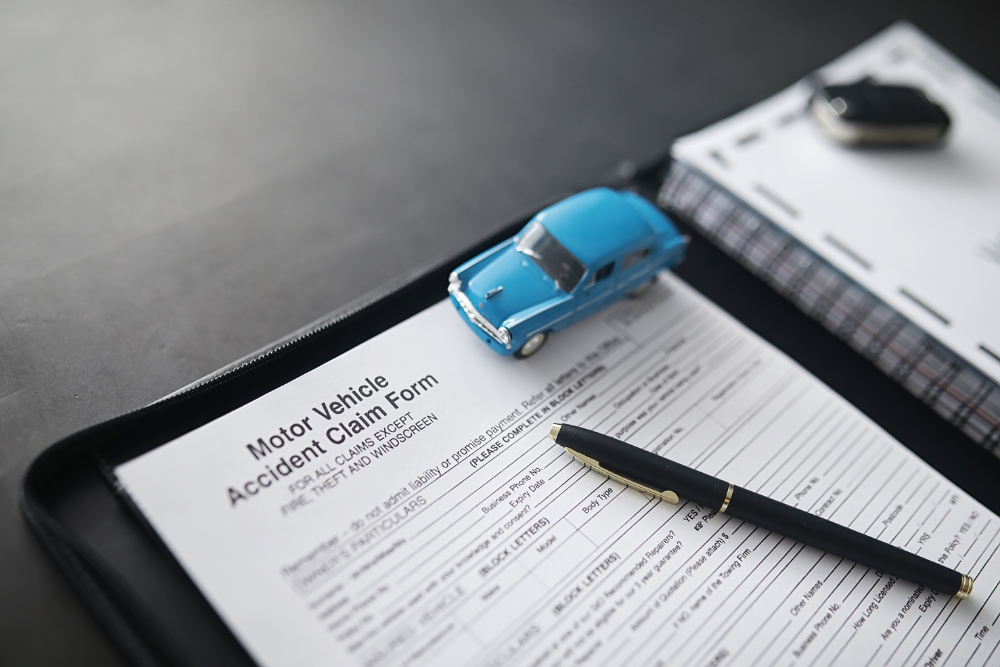
Filing a car insurance claim can help you recover after an accident, but not every claim is approved. Insurance companies carefully review each claim to determine whether it meets the terms of the policy. If certain requirements are not met, your claim may be denied.
Understanding the most common reasons insurance claims are denied can help you avoid mistakes and improve the chances of a smooth claims process.
Your Policy Does Not Cover the Damage
One of the most common reasons for a denied claim is that the damage is not covered by your policy.
For example, if you only have Liability Coverage, your insurance may not pay for repairs to your own vehicle after an at fault accident. It is important to understand what your policy includes before filing a claim.
Missing or Incorrect Information
Providing incomplete or incorrect information can delay or even result in a denied claim.
Make sure you provide accurate details such as:
- Date and time of the accident
- Location of the accident
- Driver information
- Vehicle details
- Photos of the damage
- Police report, if available
Accurate information helps your insurance company process your claim more efficiently.
Reporting the Accident Too Late
Most insurance companies require accidents to be reported within a reasonable time.
Waiting too long to file a claim may make it difficult to investigate the accident, which could result in your claim being denied.
Always report an accident as soon as it is safe to do so.
Your Policy Was Not Active
If your insurance policy had expired or was canceled before the accident occurred, your claim will likely be denied.
Keeping your policy active by paying your premiums on time helps ensure you remain protected when you need coverage.
Damage Caused by an Excluded Event
Insurance policies contain exclusions that explain situations not covered by the policy.
For example, certain types of damage may not be covered depending on the policy you purchased. Reading your policy carefully helps you understand these limitations before an accident happens.
Lack of Evidence
Insurance companies need evidence to verify what happened.
Helpful evidence includes:
- Photos of the accident scene
- Vehicle damage photos
- Witness information
- Police report
- Repair estimates
The more documentation you provide, the easier it is for the insurance company to evaluate your claim.
Policy Conditions Were Not Followed
Insurance policies include conditions that policyholders must follow.
Examples may include:
- Reporting accidents promptly
- Cooperating with the investigation
- Providing requested documents
- Allowing vehicle inspections
Failing to meet these requirements could affect your claim.
Fraud or Misrepresentation
Providing false information or attempting to exaggerate damages is considered insurance fraud.
Insurance companies investigate suspicious claims carefully. If fraud is discovered, the claim may be denied, and additional legal consequences may apply.
Always provide honest and accurate information when filing a claim.
Repairs Were Made Too Soon
In some situations, repairing your vehicle before the insurance company has inspected the damage can create problems during the claims process.
Unless your insurance company advises otherwise, wait until the vehicle has been inspected or approved for repairs.
How to Reduce the Risk of a Denied Claim
You can improve your chances of a successful claim by following a few simple steps.
- Understand your insurance coverage.
- Report accidents as soon as possible.
- Take clear photos of the damage.
- Keep copies of important documents.
- Provide accurate information.
- Respond quickly to requests from your insurance company.
Being prepared helps make the claims process smoother and more efficient.
Final Thoughts
Insurance claims are often denied because of missing information, policy exclusions, delayed reporting, or coverage limitations. Understanding your policy and following the correct claims process can help reduce the risk of problems.
If you ever need to file a claim, report the accident promptly, provide complete documentation, and communicate with your insurance company throughout the process. Taking these steps can help you protect your rights and improve the likelihood of a successful claim.